
How to Reset Youth Sports Schedules Before Daylight Saving Time Ends
A practical checklist for auditing field lighting, moving game times, reconfirming officials, and communicating schedule changes before daylight saving time ends.
Read more →Perspectives on the official shortage in youth sports—and what leagues can do about it.
A practical checklist for auditing field lighting, moving game times, reconfirming officials, and communicating schedule changes before daylight saving time ends.
Read more →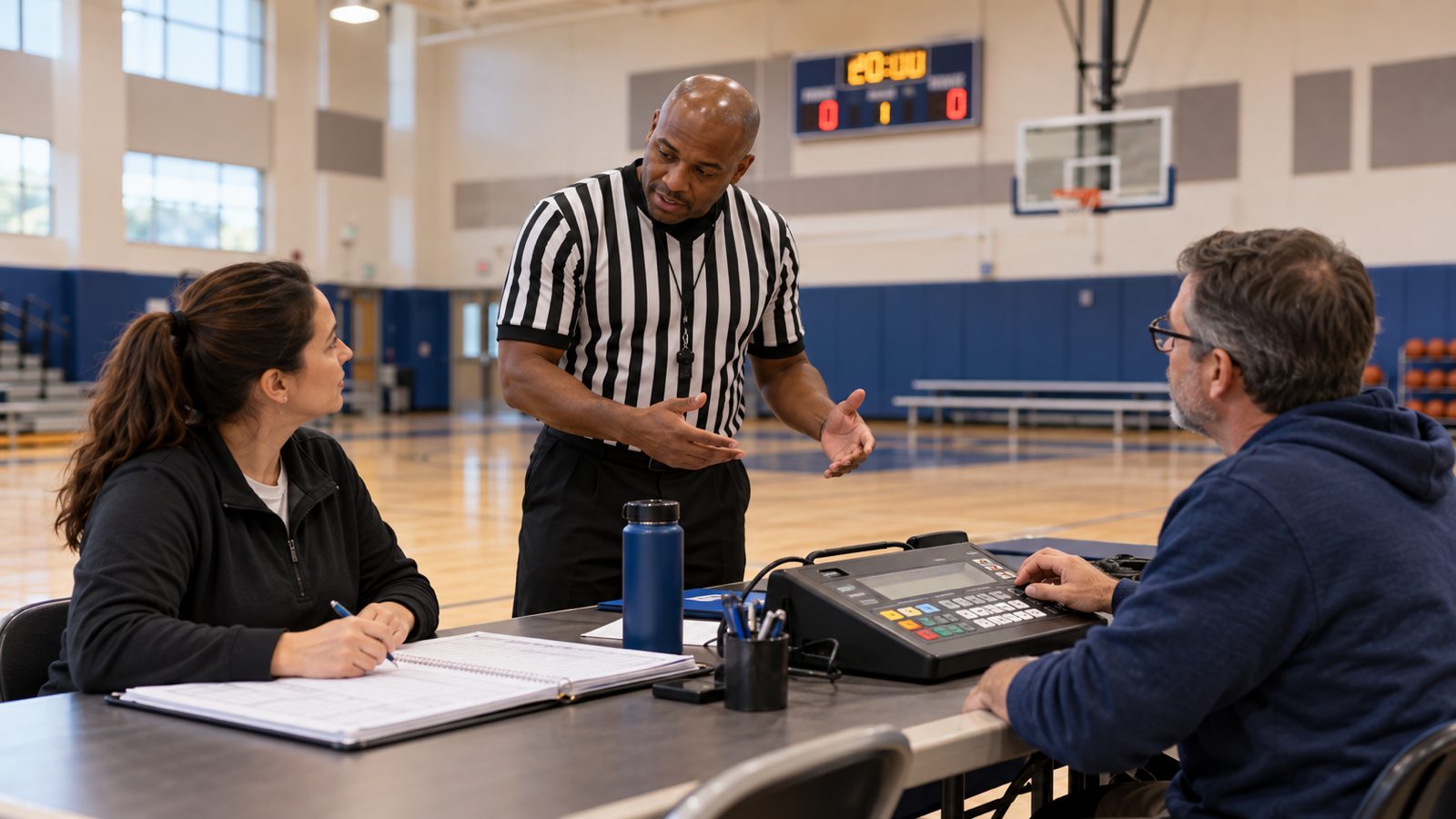
A practical opening-night checklist for training basketball timers and scorekeepers, testing equipment, briefing referees, and handling clock or book errors.
Read more →
A practical 24-hour response plan for protecting an official, documenting referee abuse, applying league policy, communicating carefully, and preserving retention.
Read more →
A practical plan for confirming referee and umpire availability, qualifications, conflicts, travel, backup coverage, and communication before tournament brackets become final.
Read more →
A practical midseason check-in for learning what first-year referees and umpires need, fixing avoidable friction, and turning feedback into a stronger retention plan.
Read more →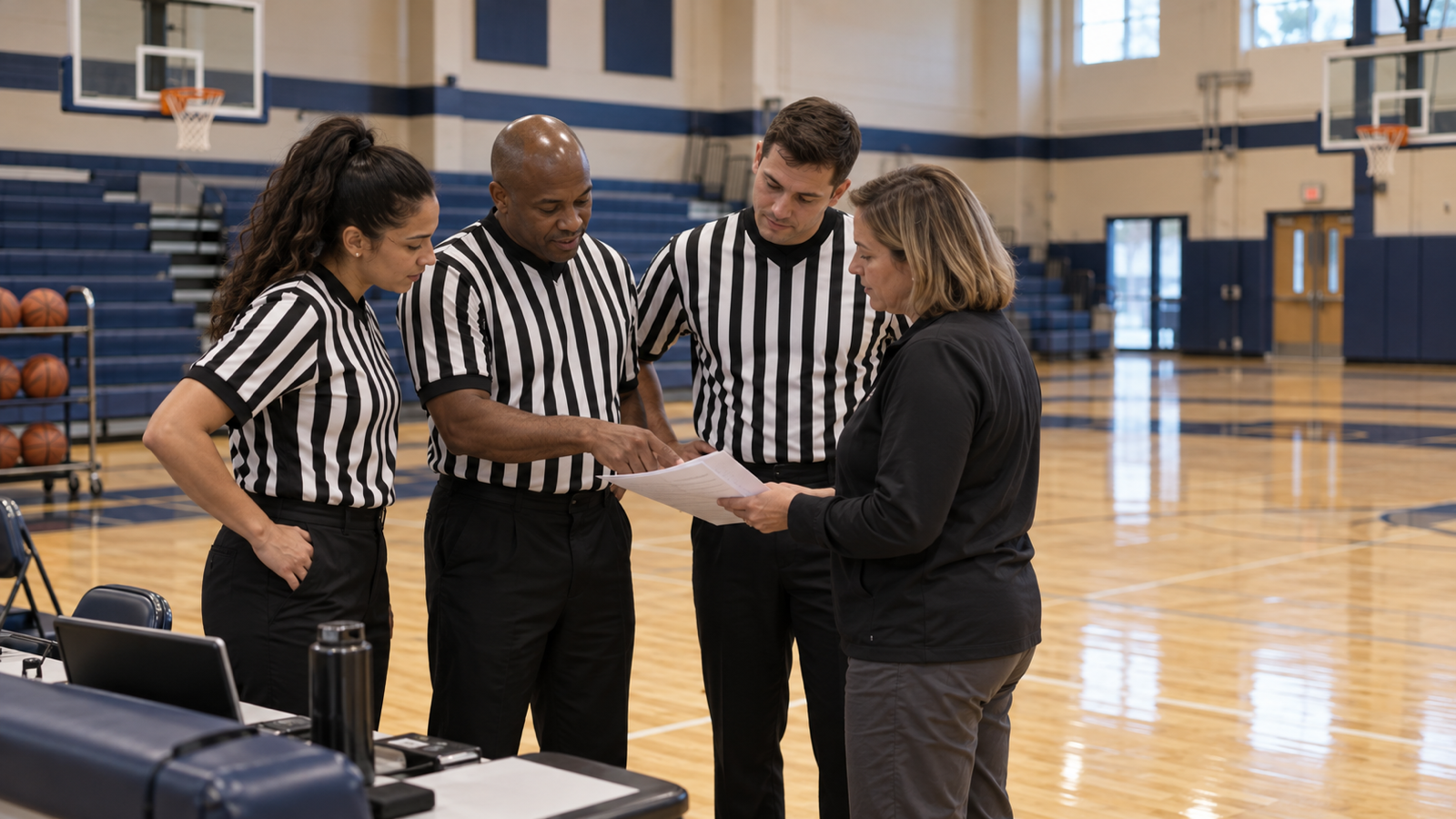
A practical preseason readiness check for confirming basketball referee credentials, availability, crew roles, rule updates, gym details, and backup coverage before schedules lock.
Read more →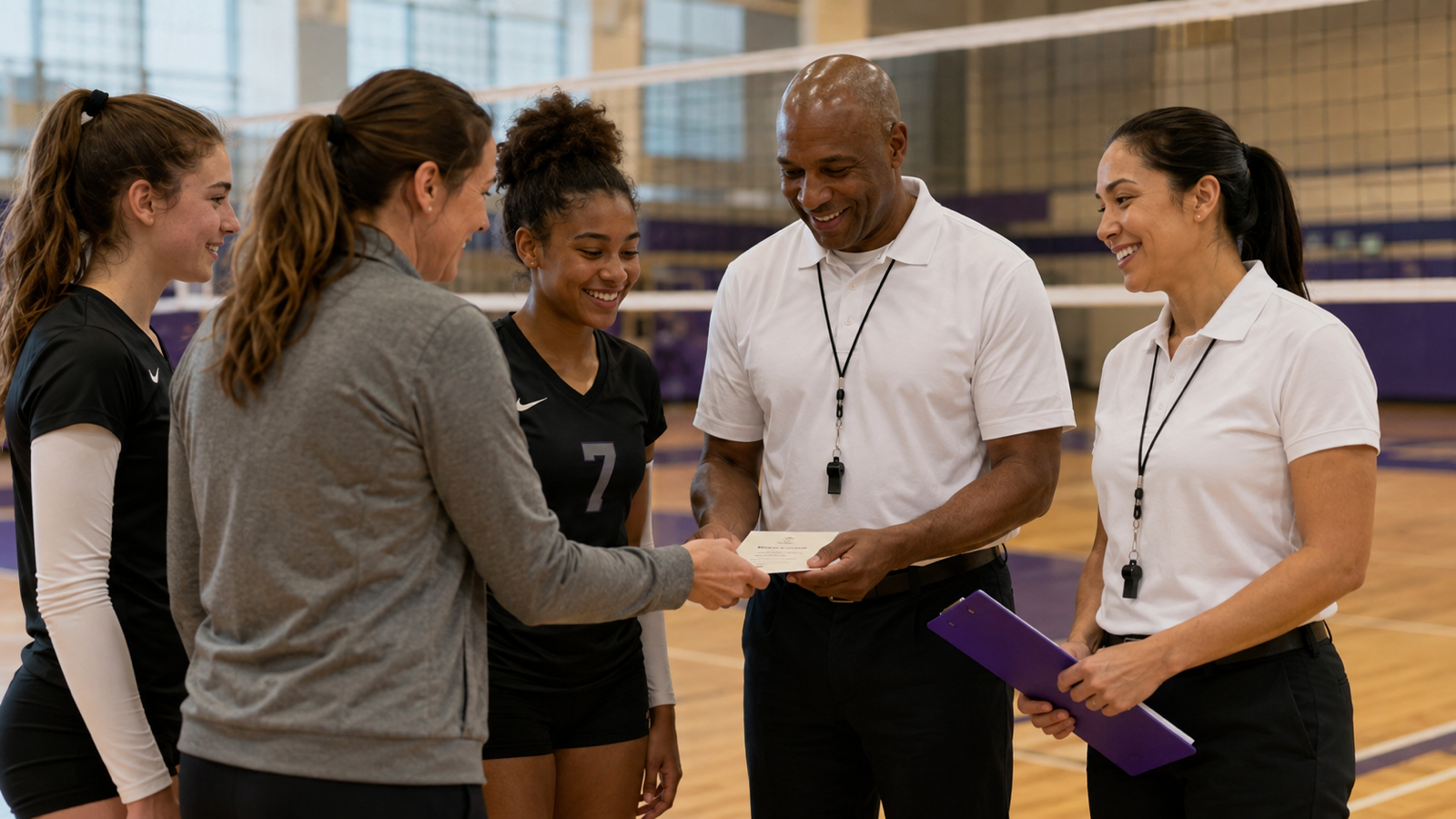
A practical plan for youth volleyball leagues to use Officials Appreciation Week to improve respect, gather useful feedback, and strengthen referee retention all season.
Read more →
A practical preseason workflow for verifying USA Hockey referee registration, education, SafeSport, screening, and assignment readiness without treating incomplete officials as available.
Read more →
A practical post-opening-weekend referee coverage audit for finding thin time slots, travel conflicts, crew mismatches, and unconfirmed assignments before they become cancellations.
Read more →
Use Little League World Series season to show officials a credible path from first local assignments to mentoring, evaluation, tournament opportunities, and leadership.
Read more →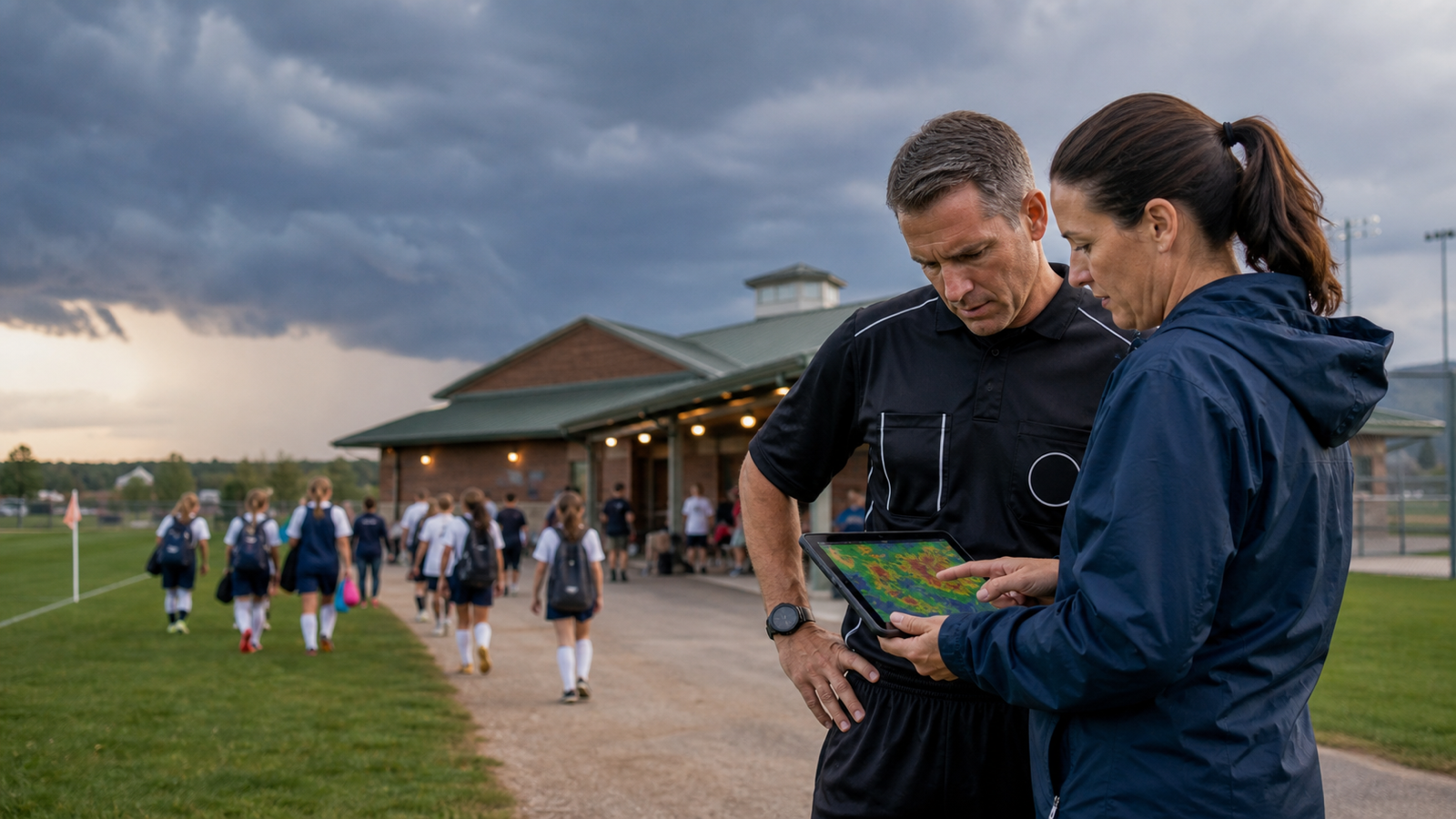
A practical lightning-delay plan for youth sports leagues: assign weather authority, map real shelter, manage the 30-minute clock, communicate schedule changes, and settle officials’ pay rules before storms arrive.
Read more →
U.S. Soccer’s Green Badge identifies referees under 18. Use this preseason plan to brief adults, set reporting rules, assign support, and protect young officials before fall games begin.
Read more →
School schedules can make last month’s referee availability obsolete. Use this practical reset to confirm fall capacity, rebuild assignments, and protect opening weekends before August conflicts arrive.
Read more →
Veteran officials often carry the hardest games and the heaviest schedules. This practical workload plan helps youth sports leagues preserve experience, develop newer officials, and enter the fall season with a deeper crew pool.
Read more →
Mid-July is when fall football officiating problems stop being theoretical. This guide shows youth football league administrators how to confirm crew depth, practice-week availability, pay rules, and backups before August scrimmages and jamborees arrive.
Read more →
The 2026-27 shift back to school-year age groups is not only a registration change. It affects referee demand, crew planning, pay tables, and fall communication before the first whistle.
Read more →
Holiday travel and tournament density can turn July 4 weekend into a last-minute umpire scramble. This guide shows youth baseball and softball league administrators how to lock in availability, coverage, travel rules, and backups before the holiday hits.
Read more →
Heat alerts can turn a full Saturday schedule into a staffing problem fast. This guide shows league administrators how to protect referees and umpires with clear thresholds, workload limits, communication, and pay rules.
Read more →
The 2026 World Cup gives youth soccer leagues a rare attention spike. This guide shows how administrators can turn summer interest into a real fall referee pipeline before schedules tighten.
Read more →
July tournament windows can overload the same dependable baseball and softball officials. This guide shows league administrators how to protect a shared umpire pool before brackets, makeup games, and rec carryovers collide.
Read more →
Tournament season creates concentrated pressure on youth baseball and softball umpire crews. This checklist helps league administrators lock in coverage, communication, logistics, and pay rules before June and July weekends fill up.
Read more →
Rainouts do not just create a field problem. They create an officiating, communication, and payment problem that leagues need to plan for before the makeup calendar starts moving.
Read more →
National registration gains are encouraging, but youth sports leagues still need better retention, scheduling, mentorship, and payment systems.
Read more →
Fewer people are signing up to referee and umpire youth games, and the leagues feeling the impact are looking for answers.
Read more →
Game-day check-ins give league admins a live view of whether officials are on site before a missed assignment becomes a canceled game.
Read more →
Better tools won't fix every problem officials face, but they remove enough friction to keep more of them coming back.
Read more →
Soccer participation growth can be good for leagues and still intensify the referee shortage if assigning, training, and retention do not scale with it.
Read more →
Baseball and softball tournaments compress official demand into long weekends, making umpire shortages visible fast.
Read more →
Spreadsheets can track games, but they break down when assignors need availability, acceptances, changes, check-ins, and payments in one workflow.
Read more →
Recruiting new officials matters, but retention depends on what happens after their first assignment.
Read more →
Clear referee and umpire pay rates reduce friction, improve trust, and help league administrators plan realistic official budgets.
Read more →
Rural youth sports leagues face a version of the official shortage shaped by distance, travel time, multi-level assignments, and thin backup benches.
Read more →
Teen officials can help rebuild the youth sports officiating pipeline, but only if leagues give them training, mentorship, and sane assignments.
Read more →
Bad sideline behavior is one of the clearest reasons youth sports leagues lose referees. Treating it as retention work changes the solution.
Read more →
A practical spring planning checklist for youth sports leagues trying to prevent referee and umpire shortages before schedules go live.
Read more →Scheduling, official assignment, and payments—all in one platform.